Manufacturing digital twins for reliable, high-performance operations
Model your production lines, assets, and energy flows as living digital twins—so you can prevent downtime, remove bottlenecks, and run more predictable manufacturing operations.
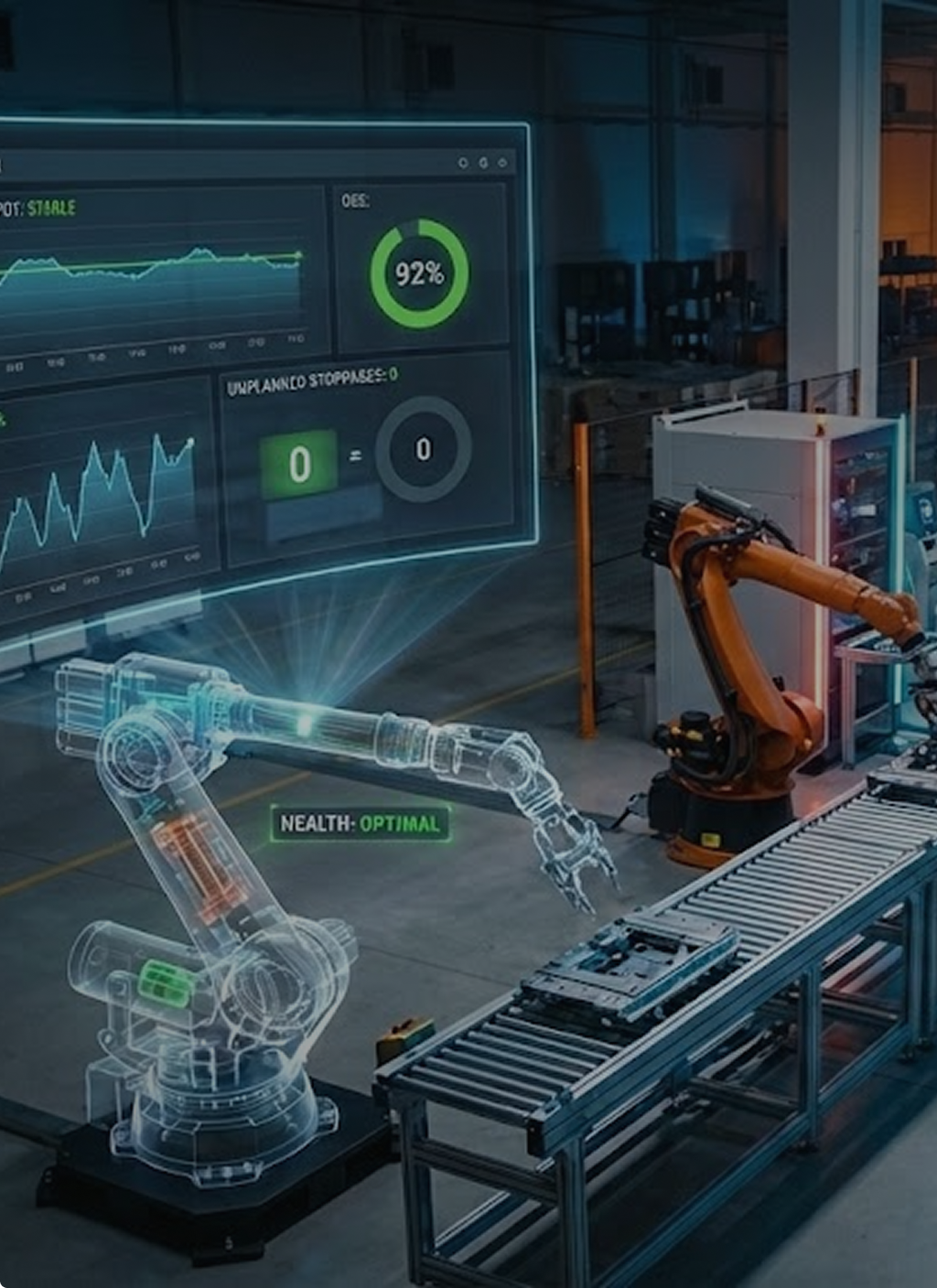
Manufacturing is under constant pressure
Manufacturing teams are expected to deliver higher output, better quality, and lower cost—often with aging equipment, volatile demand, rising energy prices, and fewer experienced operators on the floor.
What's creating pressure
Unplanned line stoppages that disrupt schedules and customer commitments
Bottlenecks that shift week to week and are hard to diagnose
Reactive maintenance driven by alarms instead of early signals
Energy costs that spike without clear visibility into root causes
Critical operational knowledge locked in a few experts—or lost entirely
The digital twin advantage
Prevent failures before they stop production
Identify true bottlenecks and test solutions safely
Move from reactive to predictive maintenance
Optimize energy use without compromising output
Capture and scale operational expertise
From firefighting to foresight
In manufacturing, an intelligent digital twin acts as a living model of how your plant actually behaves—not how it's supposed to behave on paper.
It continuously reflects:
The condition of machines and assets
How lines, buffers, and constraints interact
How energy use changes with schedules and demandHow small issues propagate into missed targets
Instead of reacting after KPIs drop, teams can:
Detect emerging failures days or weeks earlier
Test line changes or maintenance timing virtually
Understand trade-offs between throughput, cost, and risk
Make decisions with confidence before touching the real floor
Manufacturing use cases powered by intelligent digital twins
Used across the plant, Not just by specialists
Plant managers
Start each day with a live view of line health and constraints
See which issues threaten today's plan—and which don't
Evaluate trade-offs before changing schedules or priorities
Reliability & maintenance engineers
Track degradation trends across critical assets
Simulate maintenance timing to minimize production impact
Focus effort where risk and cost are highest
Continuous improvement & process engineers
Test improvement ideas virtually before rolling them out
Understand how local changes affect the full system
Validate gains with real operational data
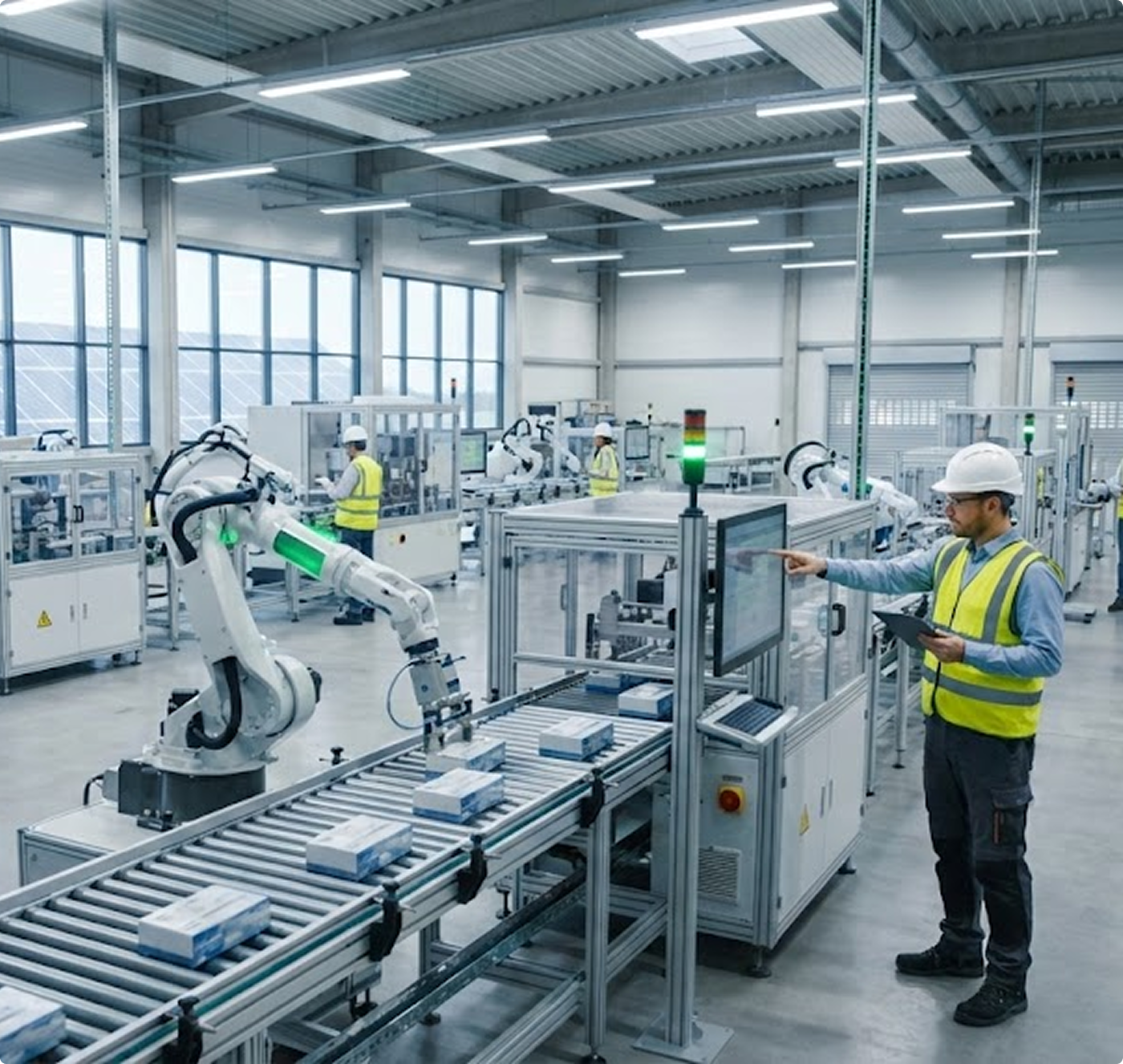

What manufacturers typically target
While results vary by environment and starting point, manufacturing teams often aim for:
20–30%
Reduction in unplanned downtime
5–10%
Throughput uplift without major capex
10–20%
Reduction in maintenance cost
Lower
Energy intensity per unit
More stable schedules and fewer last-minute disruptions. The biggest gains usually come from eliminating chronic issues—not chasing one-off optimizations.
Start with one line. Prove value. Scale plant-wide.
Start
Choose a critical line, bottleneck process, or high-failure asset.
Prove
Baseline current performance and validate early insights using live data.
Scale
Expand to additional lines, assets, or plants—reusing what works instead of starting over.
Common questions from manufacturing teams
See what an intelligent digital twin could change in your plant
Start with one manufacturing problem that matters—and build from there.