Analytics & machine learning that understand how your systems actually work
Go beyond dashboards and black-box AI. Use context-aware analytics and machine learning built on intelligent digital twins to detect issues early, predict outcomes, and recommend actions that work reliably in real-world conditions.
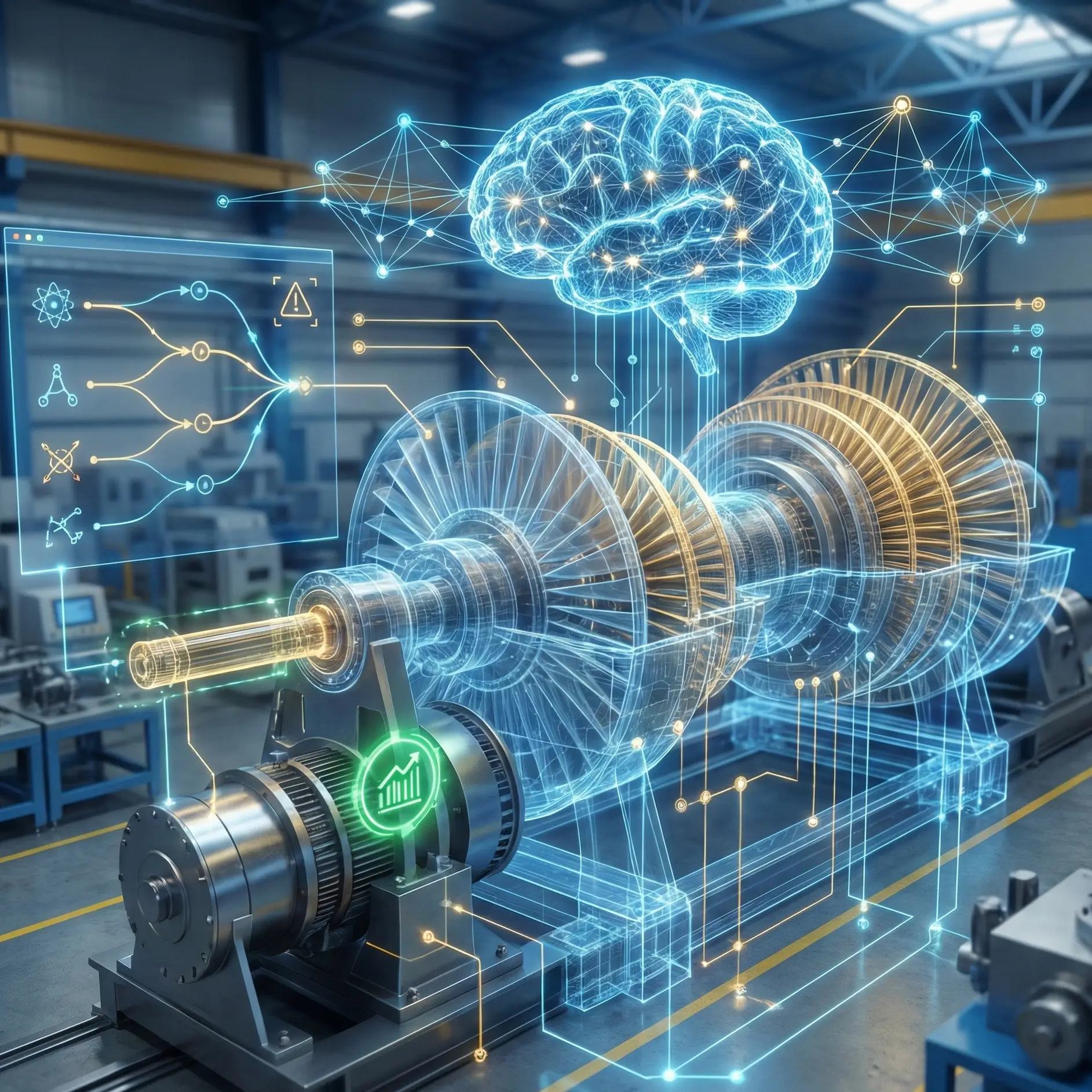
What are Analytics & ML in an intelligent digital twin platform?
Analytics and machine learning transform twin-ready operational data into insight, prediction, and decision support. Instead of analyzing isolated signals, models learn how assets, processes, and systems behave together—allowing anomalies, risks, and opportunities to be identified in context and projected forward, rather than simply reported after the fact.
Why generic BI and ML struggle in operations
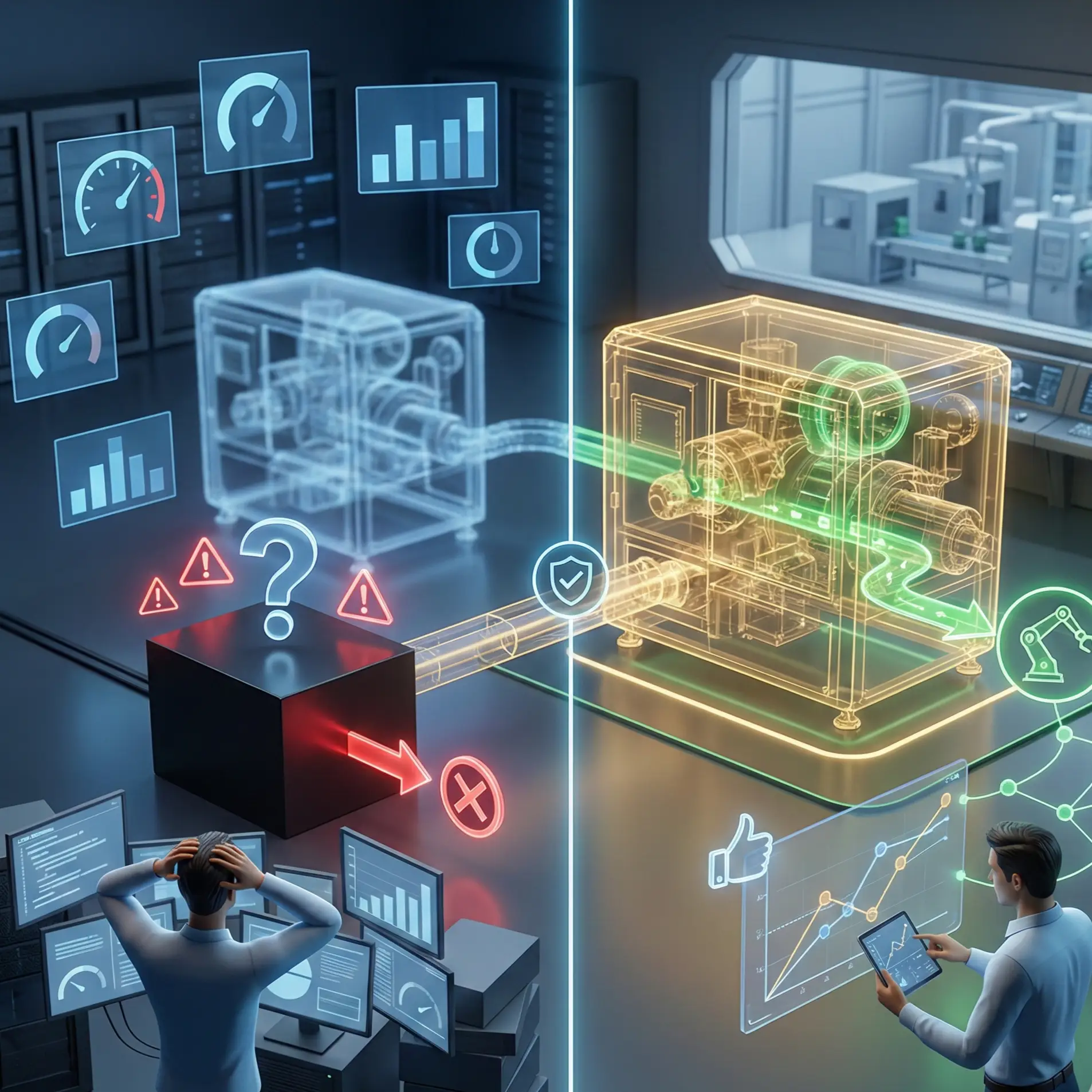
Most analytics tools were designed for reporting—not for running complex, dynamic systems. Common limitations include:
Metrics analyzed without asset or process context
Models trained on averages that ignore variability
Alerts that fire too late—or too often
Predictions that can't explain why something will happen
Insights that don't translate into action
When analytics don't understand system behavior, teams lose trust. Digital-twin-native analytics close that gap.
From context to confident decisions
Learn from context
Models are trained on normalized, contextualized data that reflects real operating conditions.
Understand normal behaviour
Establish baselines that adapt to load, environment, schedules, and interactions—not static thresholds.
Detect early deviation
Identify subtle changes that indicate emerging issues before failures or disruptions occur.
Predict what happens next
Forecast risk, performance, demand, or outcomes under current and alternative conditions.
Recommend action
Surface insights in a form teams can act on—prioritized, explainable, and tied to impact.
Built into real operational use cases

Predictive maintenance
Detect degradation early and predict failures with context-aware models.
Learn More

Production optimization
Identify bottlenecks, variability, and improvement opportunities across lines and plants.

Energy optimization
Forecast demand, detect inefficiencies, and optimize cost and emissions.

Supply chain visibility
Predict congestion, delays, and service risk across nodes and routes.

Emergency simulation & safety
Understand cascading impacts and response outcomes under stress scenarios.

Analytics teams and operators can trust
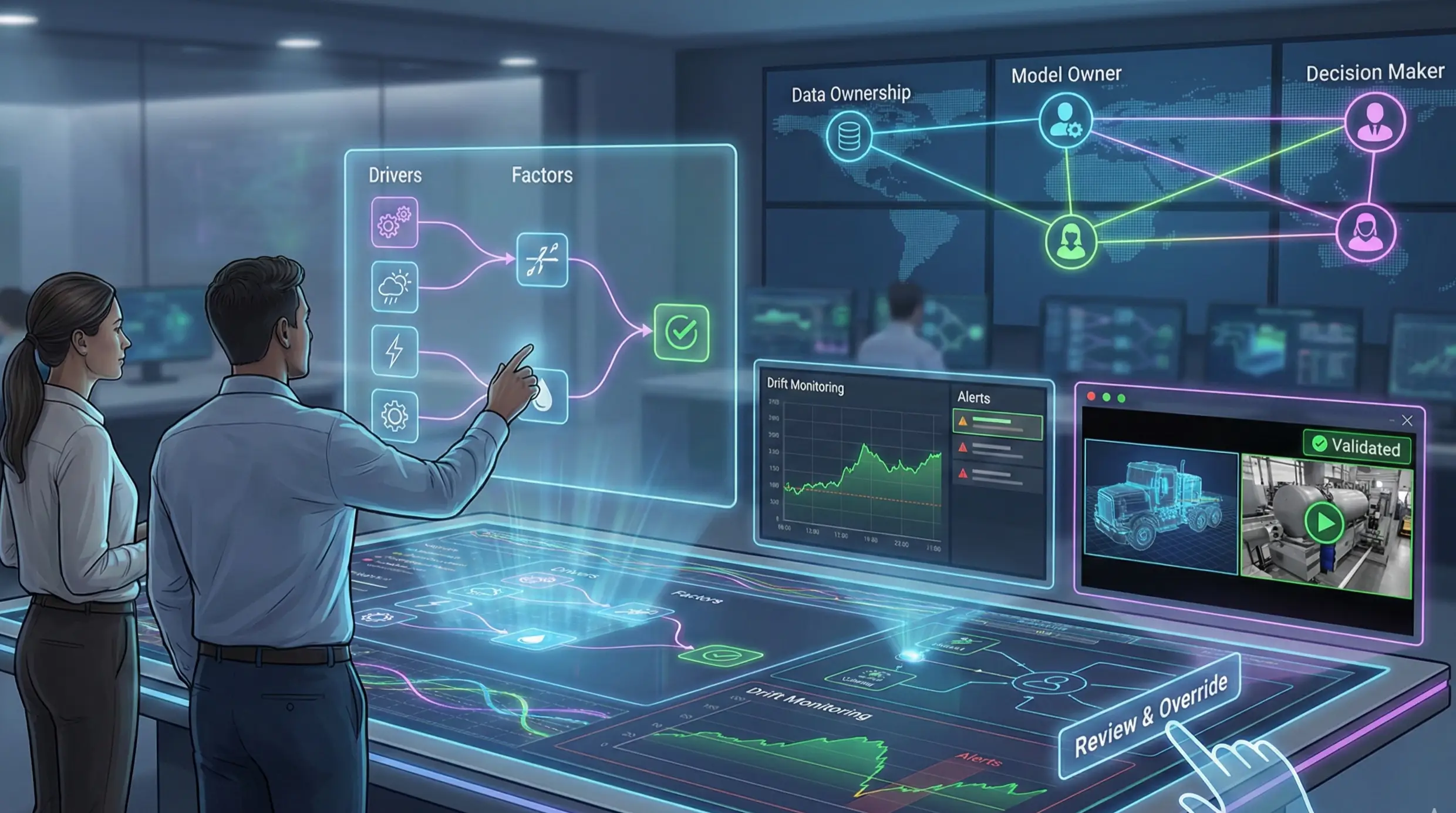
Explainable outputs that show drivers and contributing factors
Continuous monitoring of model performance and drift
Validation against real outcomes, not just training data
Human-in-the-loop workflows for review and override
Clear ownership of models, data, and decisions
Analytics should earn trust through transparency—not demand it.
When analytics understand the system
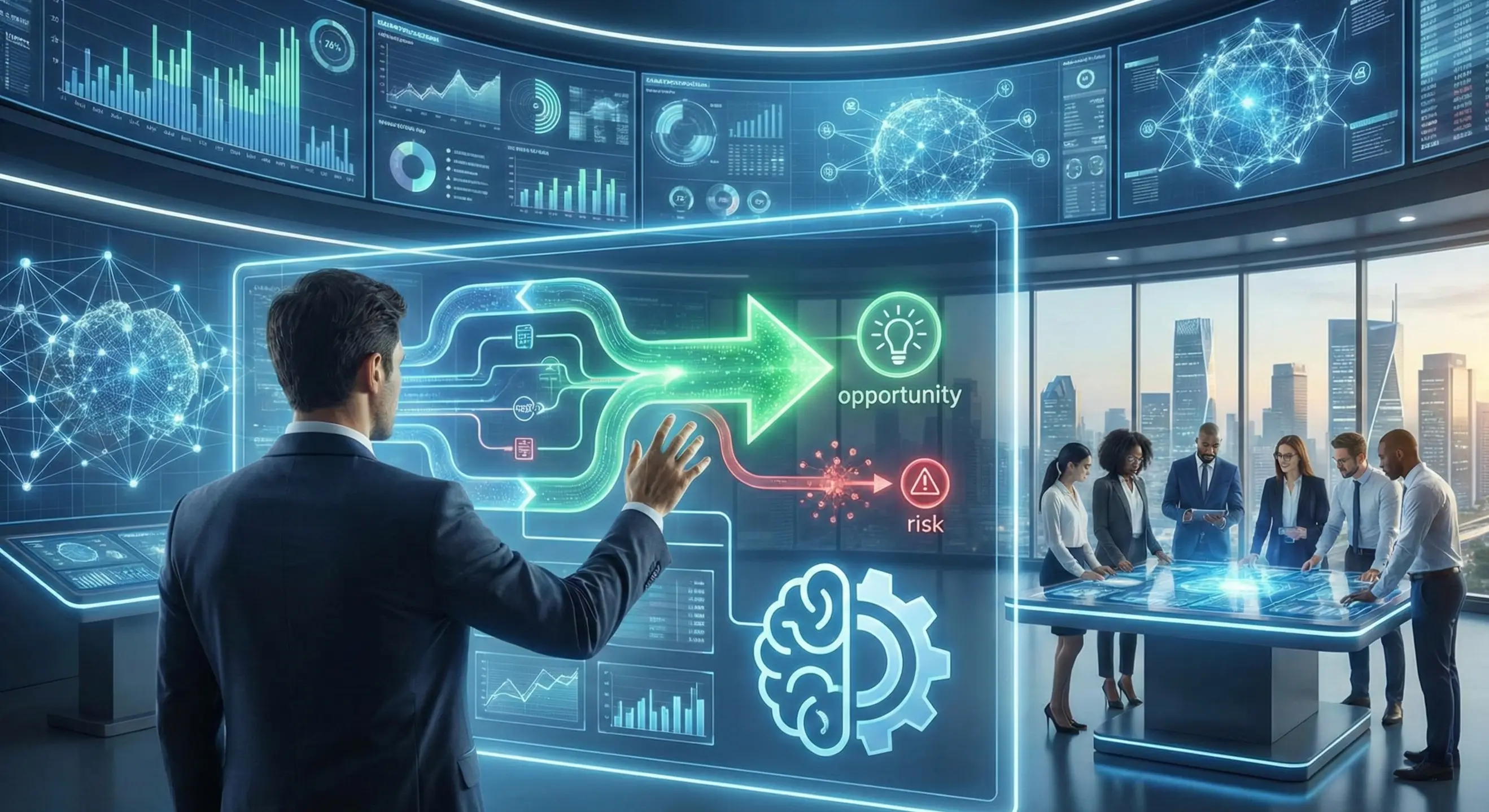
Earlier detection of risk and opportunity
Fewer false alarms and reactive decisions
More accurate predictions under real conditions
Better alignment between insight and action
Faster adoption of AI across operations
The result is not "more AI"—it's better decisions, made earlier.
FAQ: Analytics & machine learning
Turn data into prediction—and prediction into action
Build analytics and machine learning on a foundation that understands how your systems really behave.