R&D virtual prototyping that accelerates innovation—without physical trial and error
Use intelligent digital twins to design, test, and refine products and systems virtually—so engineering teams can explore more options, reduce risk, and bring better designs to market faster.

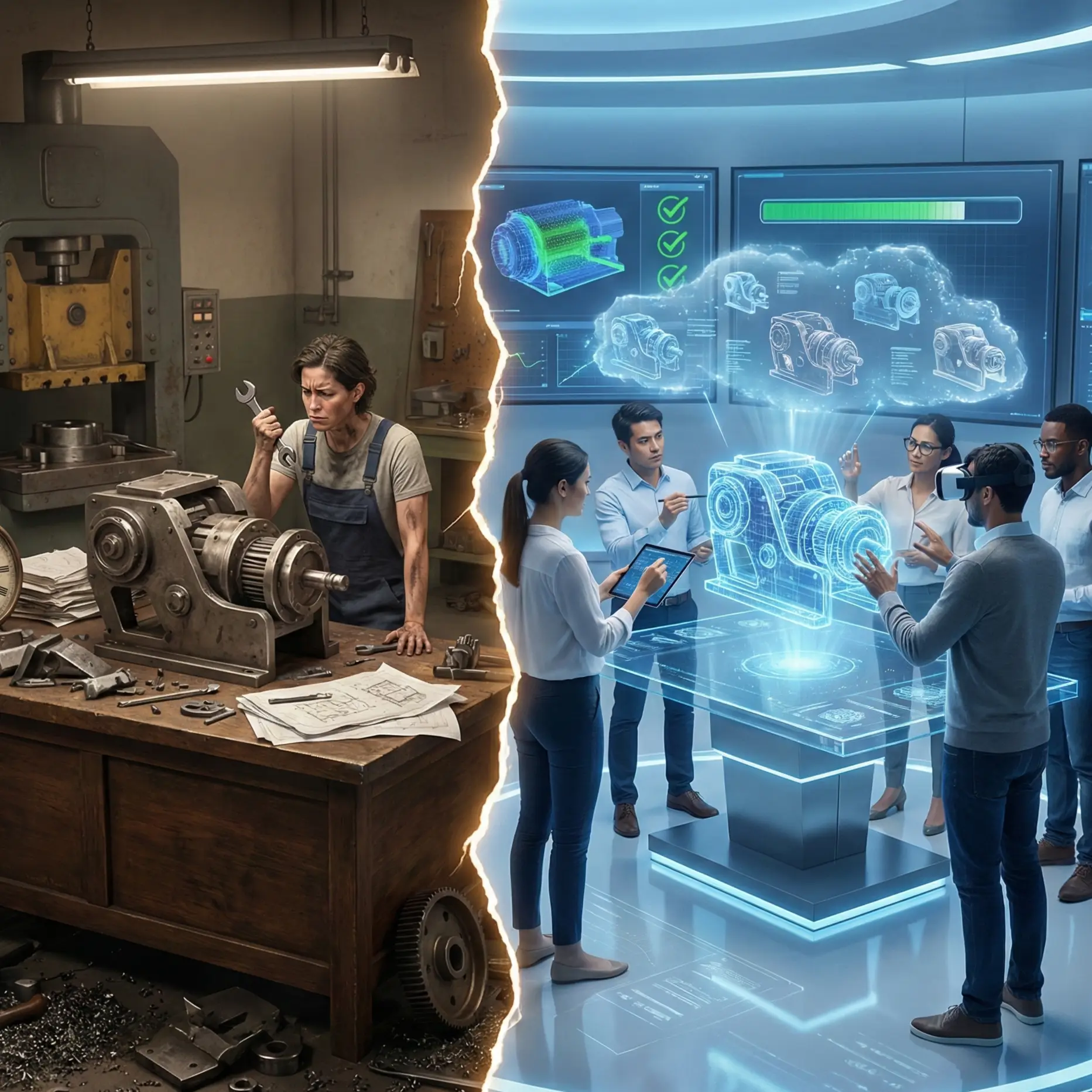
Why physical prototyping slows innovation
Traditional R&D relies heavily on physical prototypes and late-stage testing. While necessary, this approach creates familiar challenges:
Long design cycles between iterations
High cost of building and modifying prototypes
Limited ability to explore edge cases and failure modes
Design decisions locked in too early
Issues discovered only after tooling or production begins
When time, cost, or safety limit experimentation, innovation suffers. Virtual prototyping removes those constraints.
From static simulation to living design models
This solution applies the intelligent digital twin model to a specific operational challenge. For a full explanation of the model itself, see:
What is an Intelligent Digital TwinR&D virtual prototyping with intelligent digital twins goes beyond one-off simulations.
An intelligent digital twin:
Represents components, systems, and interactions digitally
Evolves as designs, assumptions, and data change
Combines physics-based models with operational context
Enables rapid comparison of design alternatives
Instead of testing one idea at a time, teams can explore many possibilities—quickly and safely.
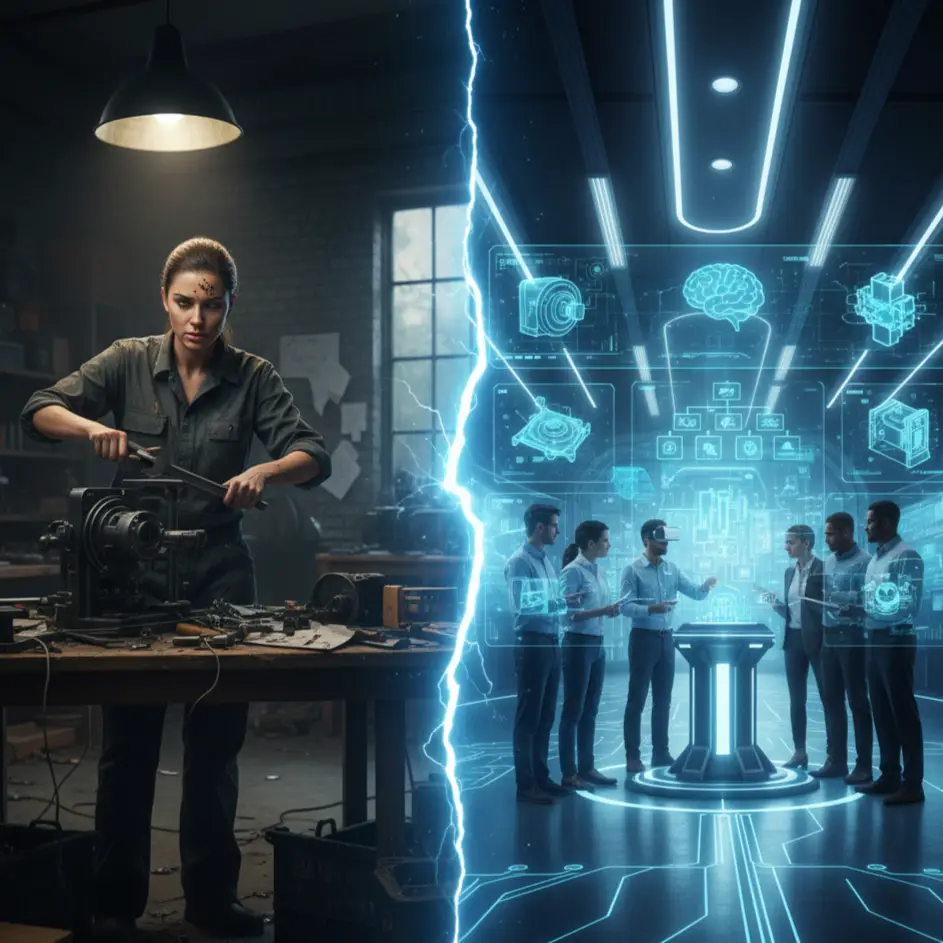
A practical R&D workflow
Create the digital prototype
Build a digital representation of the product, component, or system.
Define scenarios and assumptions
Set operating conditions, loads, environments, and constraints.
Simulate behavior and performance
Evaluate strength, efficiency, reliability, and failure modes.
Compare design alternatives
Test variations side by side to understand trade-offs.
Refine and iterate
Incorporate learnings into the next design iteration—before physical build.
Where virtual prototyping delivers the most value

Design validation
Test designs before committing to hardware.
Verify performance under real operating conditions
Reduce late-stage design changes

Failure mode exploration
Understand what can go wrong—and why.
Simulate stress, overload, and edge cases
Identify weak points early in development

System-level trade-off analysis
Balance competing design goals.
Compare efficiency, cost, weight, and durability
Make informed trade-offs with evidence

Design for operations
Build products that perform in the real world.
Test designs against realistic usage patterns
Reduce downstream operational issues
Value across maintenance and operations roles
R&D & design engineers
Explore more concepts in less time
Validate assumptions earlyReduce rework and redesign
Product & engineering leaders
Make design decisions with confidence
Shorten development timelinesControl cost and technical risk
Manufacturing & operations teams
Provide input earlier in the design process
Reduce downstream production issues
Improve design-for-manufacturability outcomes
What teams typically achieve
Outcomes vary by product and maturity, but teams often target:
Shorter design and development cycles
Fewer physical prototypes required
Earlier detection of design flaws
Lower development and rework costs
Higher confidence at design freeze
The biggest gains come from learning early—before changes are expensive.

Start with one line. Prove value. Scale plant-wide.
Start
Choose a critical component, subsystem, or design decision.
Prove
Validate simulation insights against known data or test results.
Scale
Extend virtual prototyping across additional designs or programs.
FAQ: Analytics & machine learning
Design better products—before you build them
Accelerate innovation while reducing risk and cost.