The platform built for intelligent digital twins in real-world operations
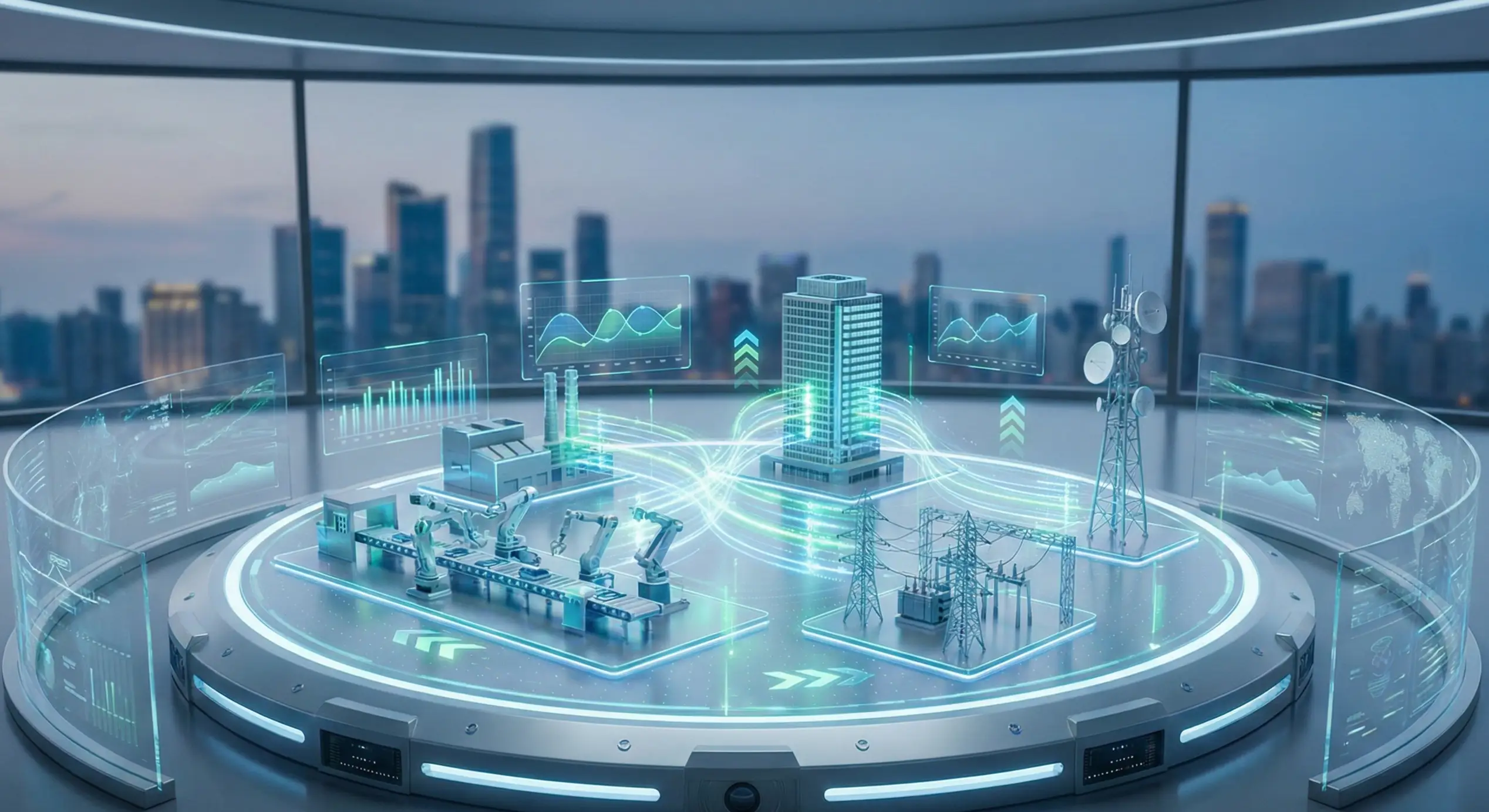
Duora implements the intelligent digital twin model to turn assets, lines, buildings, grids, and networks into living digital systems that sense, simulate, and optimize performance, across a single, unified platform.
What the Duora Platform Does
Duora is a platform designed to implement the intelligent digital twin model in operational environments. It connects operational, engineering, and enterprise data into a governed twin fabric that stays synchronized with real-world conditions. On top of this foundation, the platform enables continuous simulation, predictive intelligence, and optimization, helping teams anticipate failures, identify bottlenecks, and test decisions before acting in the physical world. Organizations typically begin with one asset, line, building, or node, and scale across sites and systems using configurable accelerators.

To understand the intelligent digital twin model itself, and how it differs from traditional digital twins, dashboards, and simulation, see:
Platform Architecture: The Twin Fabric

1.
Data Connectivity Layer
Connects to SCADA, PLCs, historians, MES, BMS, IoT sensors, cloud systems
Normalizes OT, IT, and engineering data in near real-time
Supports event, time-series, and geospatial inputs
2.
Asset & Process Modeling Layer
3.
Intelligence, Simulation & Analytics Engine
4.
Experience & Integration Layer
Core Capabilities
The six pillars of the Duora platform
Manufacturing Accelerator
Machine & line twins
OEE, scrap, downtime, maintenance workflows
Bottleneck simulation
Energy & Utilities Accelerator
Grid and generation twins
Load/renewable forecasting
Outage and reliability modelling
Smart Buildings Accelerator
HVAC, lighting, occupancy, energy
Comfort scoring and anomaly detection
Energy optimization
Logistics & Supply Chain Accelerator
Warehouse, yard, fleet, terminal twins
Congestion prediction
OTIF and flow optimization
Smart Cities Accelerator
Transportation, utilities, emergency response
Resilience modelling and climate scenarios
Deployment Model
Deploy the platform your way

Cloud
Fastest time-to-value, secure multi-tenant or private cloud.

Hybrid
Local computation for latency-sensitive environments, cloud for analytics + governance.

On-Premise
Air-gapped and regulated environments.

Managed Operations
Duora experts operate and optimize the environment while your team focuses on outcomes.
How Teams Use the Platform
Built for day-to-day decision-making across roles
Operations Leaders
Monitor overall performance
Resolve bottlenecks
Run what-if scenarios before scheduling changes
Reliability & Maintenance Engineers
Predict failures earlier
Prioritize interventions
Track asset health across fleets and sites
Energy & Facilities Managers
Optimize schedules, setpoints, and load shifting
Detect efficiency losses before they appear on bills
Prove savings with traceable data
Planners & Analysts
Stress-test future situations
Evaluate expansion, redesign, and outage planning
Build custom models with API/SDK access
Proof of Value
Why organizations choose the Duora platform
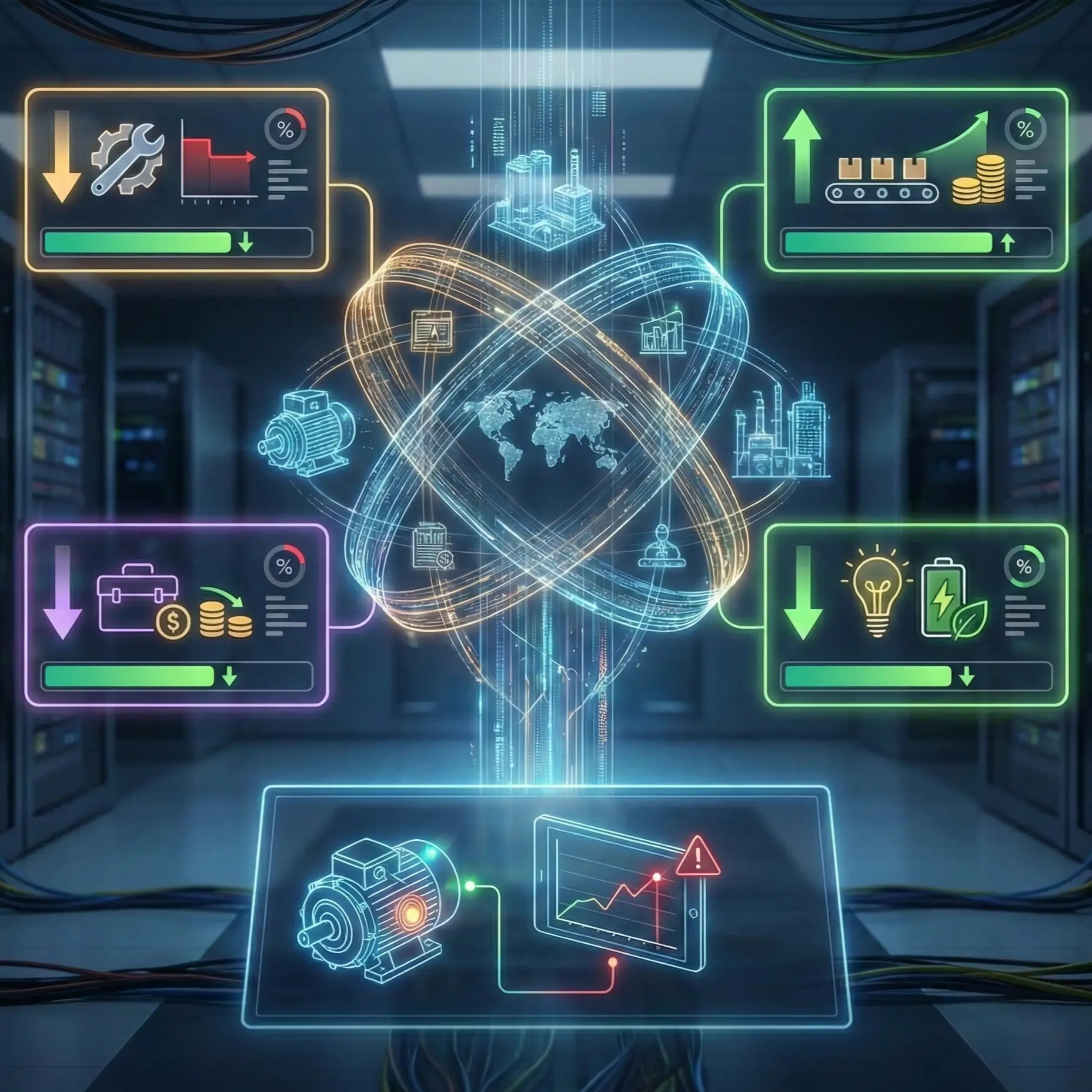
20–30%
Reduction in unplanned downtime
5–10%
Throughput improvement without capex
10–20%
Maintenance cost reduction
10–15%
Energy savings across buildings + industrial sites
Platform FAQ
See how the platform transforms real-world operations
Start with one asset, one line, one building, or one cluster, and scale as value grows